13 July 2026
How Ståle Solbakken built Norway’s team culture
BLOG: After a 28-year absence, Norway reached the World Cup quarterfinals with what looked like a group of friends on tour. This atmosphere did not emerge by chance; it was the product of deliberate leadership by Ståle Solbakken and his staff.
By Dag Vidar Hanstad

Norway’s success at the World Cup has sparked considerable curiosity in the international media. What’s the secret? Erling Braut Haaland is an obvious part of the answer, but you have to dig deeper. A superstar alone doesn’t necessarily guarantee success; in fact, the star can even become the reason for the opposite outcome.
Earlier this summer I interviewed the head coach Ståle Solbakken for my new book Løkka lever about talent development in football (for the time being only in Norwegian). That interview gave me the opportunity to ask him to talk a bit about his leadership and the team’s culture as well. Of course, he agreed. This is one of Solbakken’s favorite topics.
Some people wanted to fire him
Solbakken’s success as national team coach was by no means a given. We only need to rewind the tape by about two years. Norway had fallen short in both the European Championship qualifiers and the Nations League, and Solbakken was under serious pressure. Many wanted him to leave the post.
So how did he survive that period and take the team to a point where the whole nation is pulling in the same direction (we are rowing) and the rest of the world is asking what hit them?
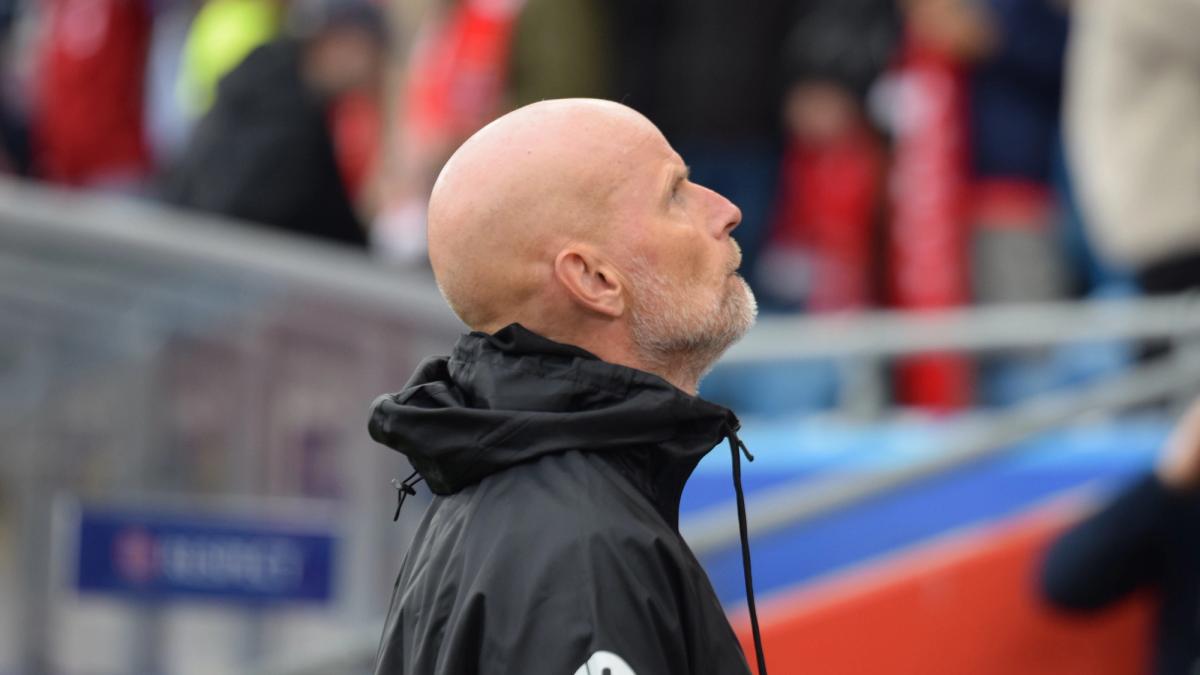
His own answer is revealing: Solbakken does not think he “turned it around” at all. Instead, he made sure the players stayed committed to the project he had presented when he took over in late 2020. In his telling, the key was that the group never lost faith either in the coach or in the broader idea behind the team.
Solbakken describes that idea as an inclusive project: how the team should behave on the pitch, how it should behave off it, and what kind of football it wanted to play. Covid slowed the process in the beginning, but the direction remained the same. Over time, a strong internal culture developed, built not only on clarity and shared purpose, but also on what he explicitly calls freedom with responsibility away from the pitch.
Enjoyment and trust
Solbakken’s staff did not need to spend this tournament worrying about players fighting on the team bus or creating off-field distractions like too many beers on a day off – stories familiar from the 1990s and early 2000s. Instead, Norway have looked like a group who genuinely enjoy being together, even after weeks on the road.
That, in itself, is not a small achievement. At elite level, many squads can look fragmented away from the pitch: headphones on, eyes on phones, each player disappearing into his own room.
One reason Norway’s environment stands out is that the players seem to want the shared spaces. According to Oscar Bobb, that is exactly what makes this national team feel different from many club settings he has experienced.
Bobb is useful here, not because this is his story (I interviewed him to the book), but because he gives language to the culture Solbakken appears to have built. Bobb describes the Norway camp as highly social, with players gathering naturally in common areas rather than isolating themselves. That does not prove anything on its own, but it does support Solbakken’s claim that the national team can offer players something different from club football: a sense of connection, looseness, and belonging.
Global stars and newcomers
The more impressive part may be that this atmosphere exists in a squad with major differences in status. Solbakken himself points out that there is a huge gap between global stars and players from the domestic league, and that a healthy culture must still leave room for everyone to speak. At the same time, he is frank that not everyone is treated identically; some players, including Erling Haaland, are given freedoms others do not have.
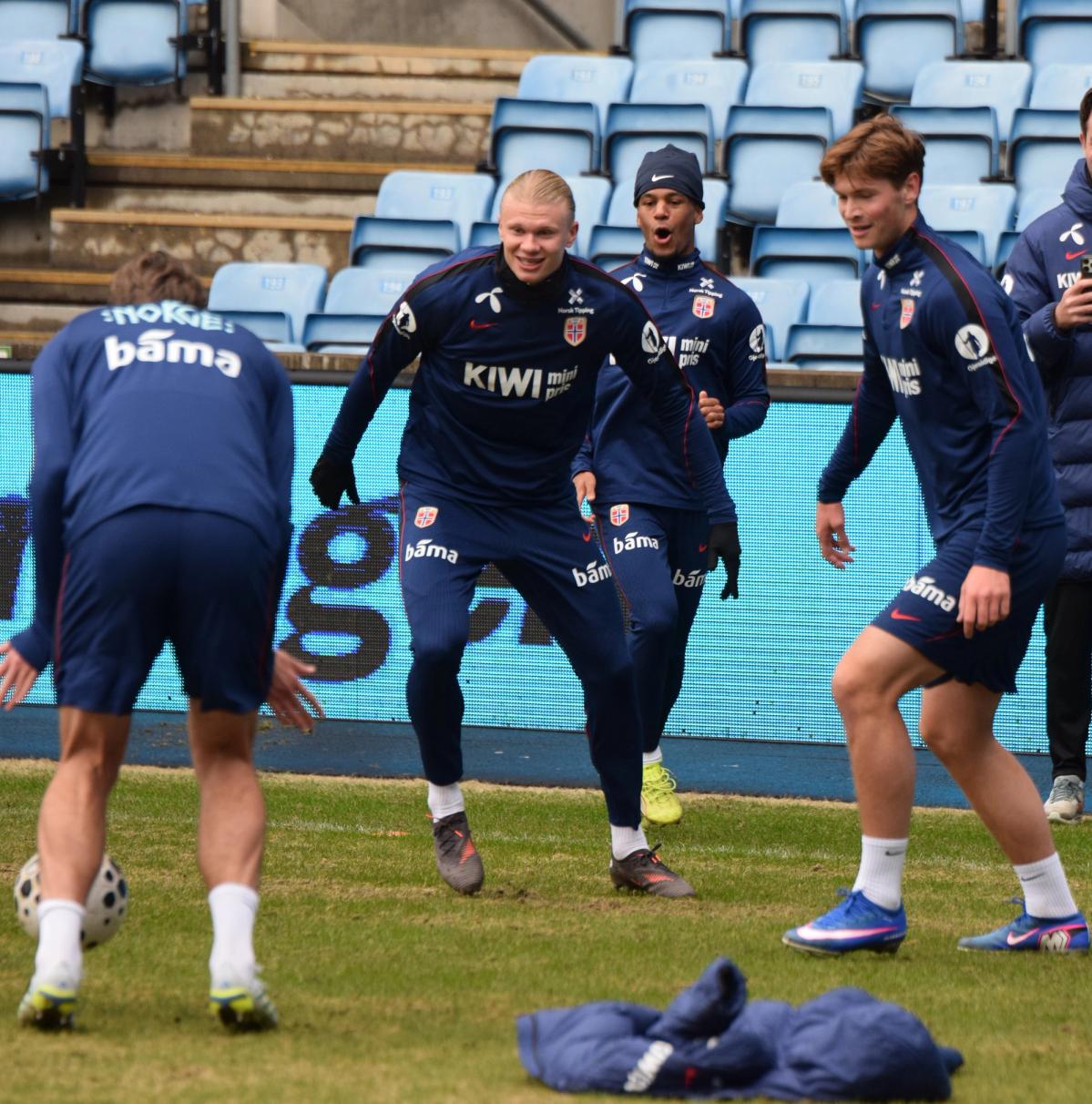
It’s not a given that this is how it should be, and a star player can easily drain energy from a team.
All in all, this suggests that Ståle Solbakken has made a lot of the right moves. And that could take Norway even further.
At the 2026 World Cup, their run came to an end after extra time against England, but perhaps their adventure has only just begun.

