12 August 2026
A varied childhood – different paths
BLOG: In the debate over multi-sport participation in children’s sports, a decathlete competing at this week’s European Athletics Championships can serve as an example of best practice. The same kind of background can also produce outstanding soccer players.
By Dag Vidar Hanstad

At the European Athletics Championships, Sander Aae Skotheim will once again showcase his running, jumping, and throwing abilities to track and field fans around the world. The decathlon is the very symbol of versatility in sport. The events, completed over two days, place vastly different demands on the athlete.
It is easy to point to talent and dedication. But when Sander talks about his upbringing, one thing keeps returning: a childhood filled with “a bit of everything.”
Earlier this summer, I met Sander outside the low-rise apartment building in Gaustad, Oslo, where he grew up. He was joined by two boys from the same block. The meeting was part of my work on Løkka lever, a book about talent development in Norwegian football.
In Norway, debates about early specialization, selecting the strongest teams, and the increasing professionalization of youth football have continued for years.
The book Løkka lever is in Norwegian and is now available as an e-book. You can order the book here. (paperback in Norwegian).
The meeting with the three childhood friends prompted reflections worth taking seriously. Sander, Sondre Holmlund Ørjasæter, now a player for FC Twente in the Netherlands, and Jacob Hanstad of Stabæk, which is chasing promotion to Norway’s top division, talked about ski jumps on the slope by their apartment building, obstacle courses in the woods, playing tag during recess, and all the hours they spent on a small fenced soccer court.
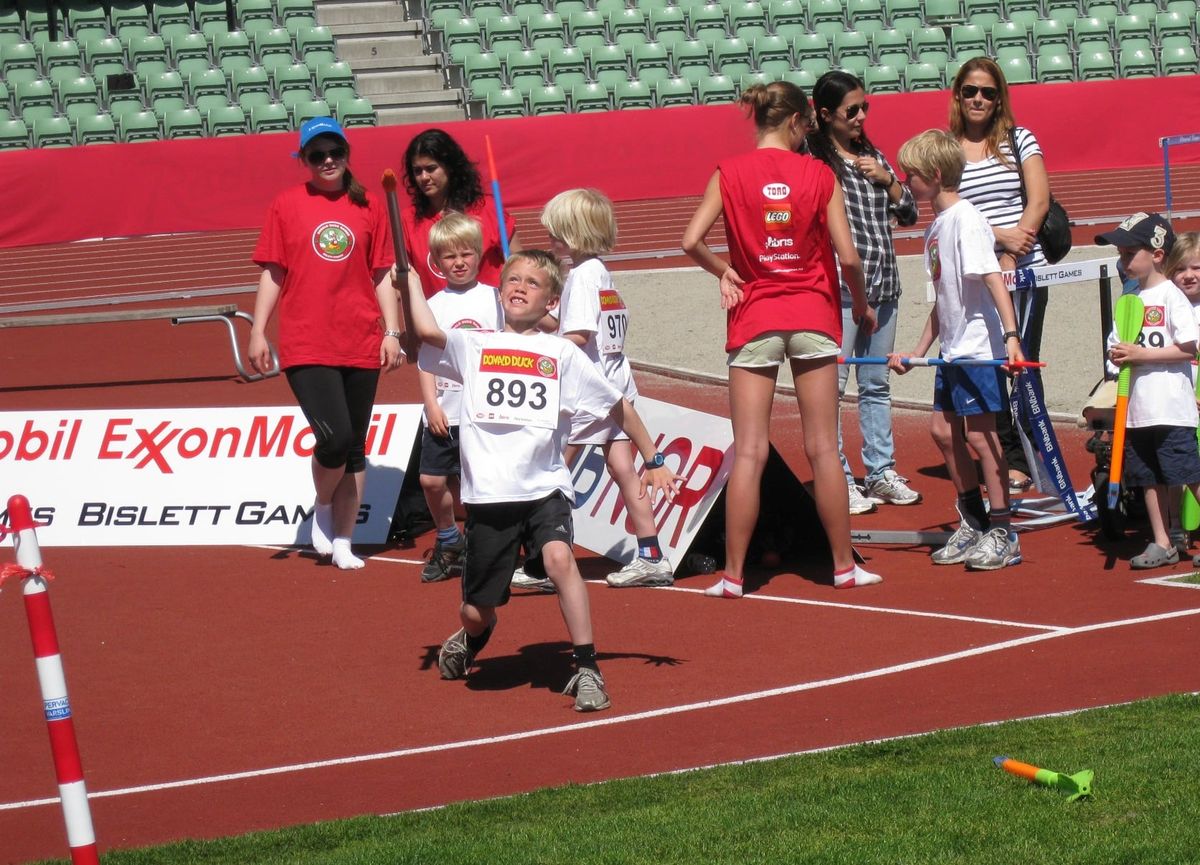
Sander and Jacob (the author’s son) played chess, handball, cross-country skiing, and table tennis, while Sondre took part in less organized sport. Instead, he spent even more time doing things that were not called training: riding a scooter, skateboarding, and snowboarding.
In short, these boys grew up in an environment where their bodies were allowed to do many different things. Play, rather than specialization, was central. School offered plenty of room for activity, while Sondre’s father also organized a private after-school activity program.
Their organized soccer began in first grade: one practice a week, followed eventually by one game. Tournaments and cups were limited to the Oslo area. Skilled parent-coaches at Koll Sport Club gave everyone equal playing time.
This continued until they reached seventh grade. All three spent time in an after-school soccer program, “the Lyn Academy,” while the two who ultimately pursued soccer also attended a private academy that worked with Lyn.
Same starting point, different choices
The stories of Sander, Sondre, and Jacob begin in almost identical circumstances: the same neighborhood, the same small soccer court, the same schoolyard, and the same group of parents organizing soccer. All three played soccer. All three tried other sports. Yet their stories took very different turns.
Sander held on to variety longer than the other two—and longer than most young people. He says he did not really decide to focus on the decathlon until he was around 15. Until then, he did “absolutely everything,” including both unstructured play and organized sport. What he brought into the decathlon was not just talent, but a broad base of movement skills built through hundreds of hours of varied activity.
Sondre and Jacob prioritized soccer more strongly. They spent countless hours playing on the small soccer court, played league games and tournaments, and eventually joined academy teams. At one point, soccer became too much for Sondre. He lost interest, quit, and later returned. Today, he plays professionally in the Netherlands.
Jacob encountered different obstacles. A stress fracture in his back is an injury that has become increasingly familiar in youth soccer. Two anterior cruciate ligament injuries (ACL injuries) during the transition from junior to senior soccer are potentially career-threatening. Between those two knee injuries, he earned a Norway U19 cap. Today, he plays for Stabæk, which is competing for promotion to the Eliteserien, Norway’s top division.
Three careers, three different stories. Their common denominator is not a perfect talent-development plan, but a childhood in which their bodies were allowed to try many things. That seems more important than “choosing the right” sport at the age of 10. Today, especially in soccer, many appear to believe that you have to go all-in at a very early age.
Variety before specialization
In research, taking part in different activities is often described as “sampling” or “diversification.” This is precisely the traditional Norwegian pattern—often referred to as the Norwegian sports model: several sports, plenty of play and physical activity in schoolyards and local neighborhoods, followed later by more targeted training. The Norwegian sports model fascinates observers abroad, while Norwegian sports leaders are never shy about praising it.
It is easy to underestimate the value of a childhood filled with “a bit of everything.” It provides more than technique and physical ability; it offers variety, breaks, and different ways to build confidence and experience success. It also makes it easier to deal with setbacks in one sport, because a child’s identity is not tied solely to soccer.
The stories of Sondre and Jacob show how a great deal of soccer at an early age can bring both progress and wear and tear. Sondre had to step away before he could return. Jacob had to go through long periods of rehabilitation. What carried them forward was not simply determination, but a broad physical and mental foundation.
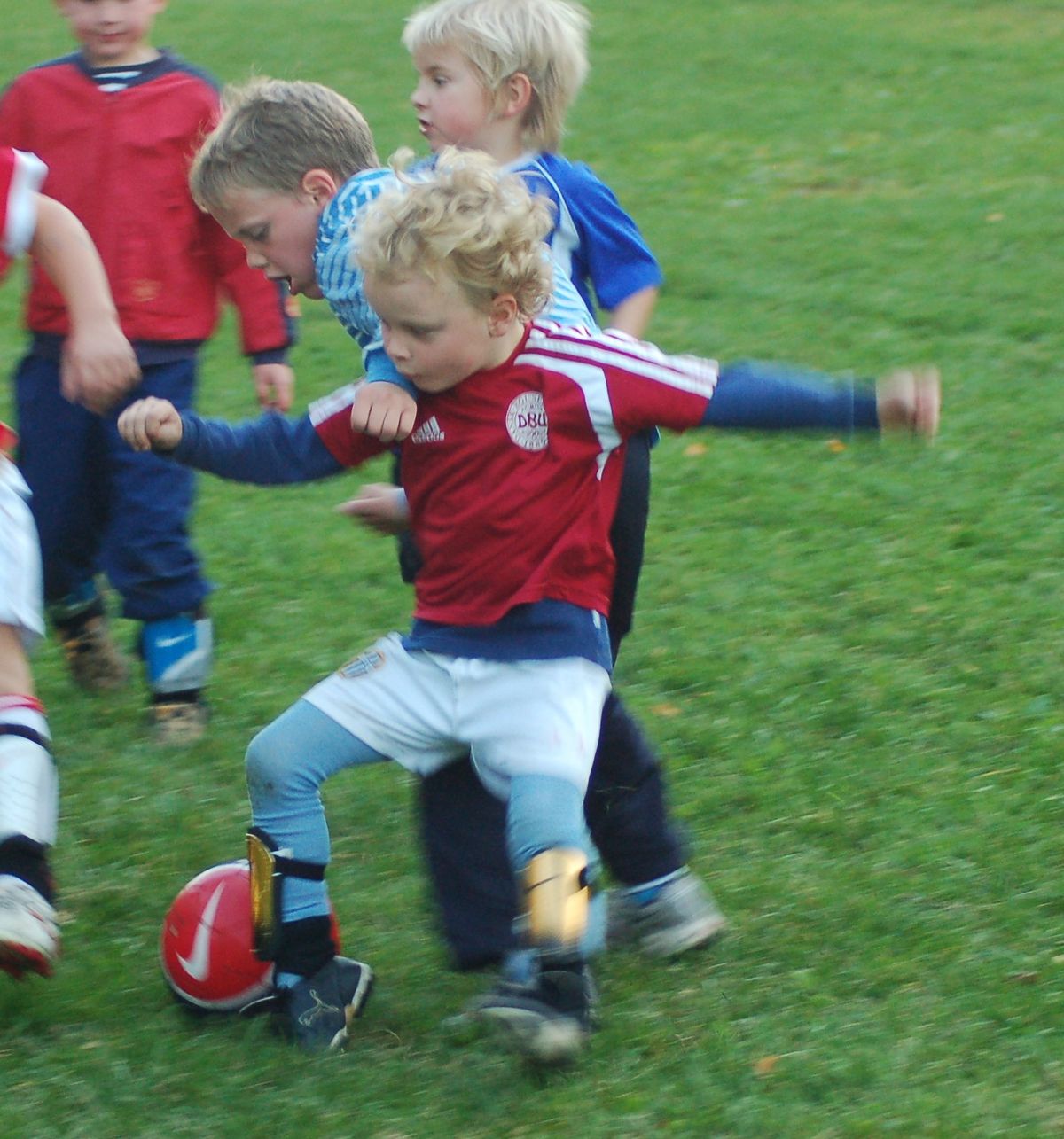
The question, then, is less whether versatility “gets in the way” of reaching the top, and more whether we dare to let children remain versatile long enough to find their own path. Sander shows that a broad background can lead to becoming a world-class decathlete. Sondre and Jacob show that it is possible to become professional soccer players after injuries and breaks—as long as they are not pushed into a single path too early.
What does this mean for adults?
It is easy to make childhood narrow. We organize soccer academies, tournaments, and extra sessions. We talk about the number of hours and “the road to the top.” Sometimes we become so eager that we forget everything that does not appear in the training plan: ski jumps on a slope, obstacle courses, tag during recess, and playing soccer without adults present. Yet this everyday freedom is what has shaped many children—not simply getting as many touches on the ball as possible.
The point is not to prescribe one correct model or lecture anyone. Having worked through extensive research on talent development and interviewed dozens of people at every level of soccer, I can see that players do not have to take part in every conceivable sport to reach the top. There are many examples of players who have focused exclusively on soccer from childhood.
But it is important to show that many paths can lead to the highest level—and that the journey may be more sustainable when the starting point is broad. The decathlete, the professional in the Netherlands, and the Stabæk player are three reminders that versatility in childhood is not a luxury. It is the raw material that enables young athletes to find their own way—and to cope when that way becomes winding.
**
Dag Vidar Hanstad is a professor at the Norwegian School of Sport Sciences. He is the author of «Løkka lever, talent development in Norwegian Football»


